1. for문
# 유용한 기능
1. enumerate()
- enumerate(iterable, start=0)
- '누적시키다'라는 뜻으로, iterable 객체를 추출할 때 함께 index를 하나씩 늘려 추출하는 함수
for idx, name in enumerate(students, start=1):
	print('오늘 {}위는 {}입니다.'.format(idx, name))


# enumerate 기능을 사용하지 않는다면:
idx = 1
for name in students:
    print('오늘 {}위는 {}입니다.'.format(idx, name))
    idx += 1
2. zip()
- zip(self, /, *args, **kwargs)
- 여러 개의 iterable 객체들을 인자(parameter)로 받고, 각 객체에서 원소 하나씩 추출하여 tuple의 형태로 묶어주는 함수
purchase_info = []
for item, ord_num in zip(items, order_numbers):
    purchase = {item: ord_num}
    puchase_info.append(purchase)
3. tqdm()
- 반복문 진행상황을 파악하는 방법 (진행표시바 보여줌)
- 라이브러리를 설치해야 한다
- 주로 규모가 큰 데이터를 사용할 때 자주 사용된다
#!pip install tqdm
import time
from tqdm import tqdm

for i in tqdm(range(len(parm1)):
    for j in tqdm(range(len(parm2)):
    	print(???)
        time.sleep(0.1)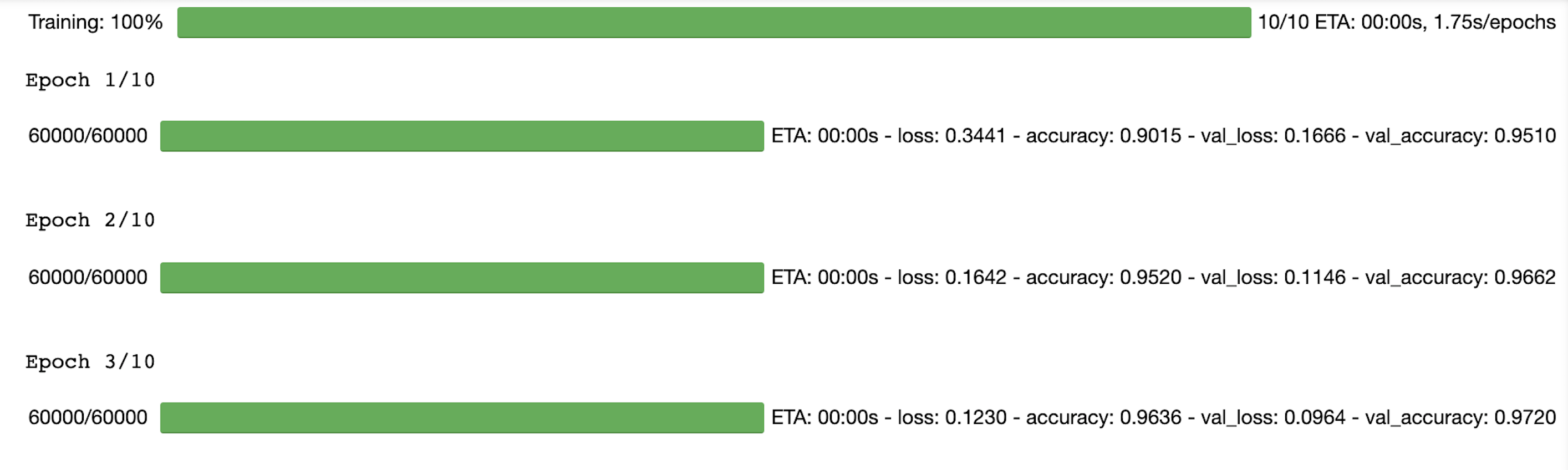
# 유용한 함수
1. Counter
- 항목의 개수를 셀 때 사용하는 함수
from collections import Counter

sentence = 'This is the sample sentence. Sentence is comprised with words. Word is a group of charactors. NLP is short for Natural Language Programming. It covers the topics related with real words & sentences in language'
words = sentence.lower().split(' ')
# Counter() type은 collections.Counter이므로 마지막에 dict type으로 바꿔주기
bag_of_words = dict(Counter(words))
print(bag_of_words)


# Counter 함수를 사용하지 않는다면:
bag_of_words = {}
for word in words:
    if word not in bag_of_words:
        bag_of_words[word] = 1
    else:
        bag_of_words[word] += 1
print(bag_of_words)
2. while문
- pass와 continue의 차이점
while True:
    pass	# 실행할 코드가 없으니 다음 행동을 계속해서 진행해라
continue # 바로 다음 loop로 돌아가라'멋쟁이 사자처럼 AI SCHOOL 5기 > Today I Learned' 카테고리의 다른 글
| [2주차 총정리] pd.DataFrame 기초 함수, hist 함수, pivot_table, 결측값 처리 방법 (0) | 2022.03.22 |
|---|---|
| [2주차 총정리] Python 초보자를 위한 class 기초 총정리 (0) | 2022.03.22 |
| [2주차 총정리] open 함수 이용하여 텍스트 파일(.txt, .csv, ...) 읽고 쓰기 (+ pickle과의 차이점) (0) | 2022.03.22 |
| [1주차 총정리] Jupyter Notebook 편리한 키보드 단축키(Shortcuts) 총정리 (0) | 2022.03.21 |
| [1주차 총정리] Python 기초 문법 (container 정리) (0) | 2022.03.19 |